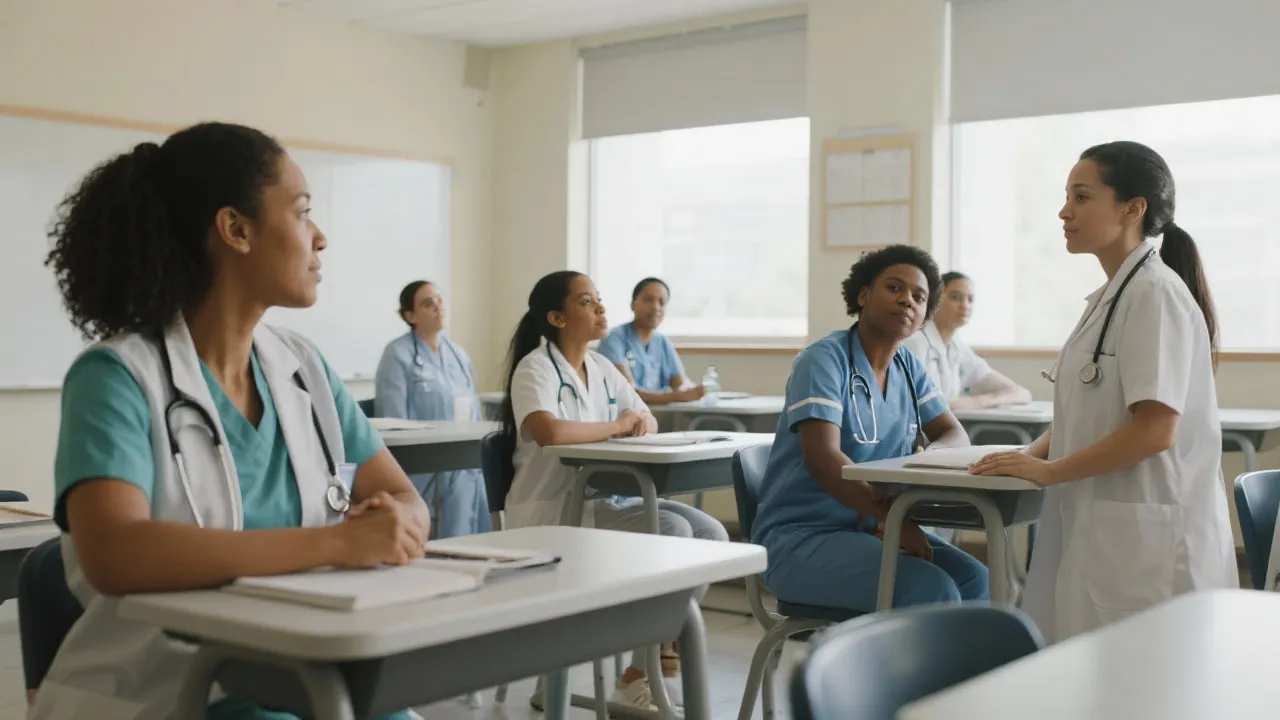
Clinical educators play a pivotal role in healthcare education by bridging the gap between theory and practice. With responsibilities including curriculum development, mentoring, and assessment, they are crucial in shaping the future workforce of the health sector. This article delves into their various functions, challenges faced, and impact on healthcare systems.

The role of a clinical educator is integral in shaping the future of healthcare professions by ensuring that students and new practitioners are well-equipped with both theoretical knowledge and practical skills. A clinical educator fosters an environment of learning and mentorship, bridging the gap between classroom learning and clinical practice. They serve as the pivotal link between healthcare education and patient care, often translating complex medical concepts into easily digestible formats for students eager to learn. This role is not only about imparting knowledge but also about instilling values such as professionalism, ethical practice, and a commitment to lifelong learning.
Among the primary responsibilities of a clinical educator are curriculum development, mentoring, and evaluation of students. These professionals design and implement educational programs that align with current medical standards and practices, ensuring that students receive a comprehensive education. Furthermore, clinical educators play a significant role in fostering critical thinking and decision-making skills, preparing students not just for examinations, but for real-world challenges they will face in their careers.
Clinical educators significantly influence healthcare systems by preparing a competent workforce capable of delivering high-quality patient care. By maintaining high educational standards, they ensure consistency and reliability in healthcare delivery. Their role contributes to patient safety, improved outcomes, and the overall efficiency of healthcare services. The importance of their contributions cannot be overstated; as healthcare systems evolve and patient needs grow more complex, the demand for well-trained professionals becomes increasingly critical. Clinical educators are at the forefront of this transformation, equipped to address emerging challenges and integrate innovative practices into their teaching methods.
Despite their critical role, clinical educators face numerous challenges, including balancing educational responsibilities with patient care, staying updated with ever-evolving medical knowledge, and addressing the diverse learning needs of students. Navigating these challenges requires a profound commitment to their role as educators and an unwavering enthusiasm for teaching. Below, we explore these challenges in greater detail:
In addition to the primary responsibilities already discussed, clinical educators take on several supplementary roles that further enhance their contributions to healthcare education. These additional responsibilities include the development of interprofessional education initiatives, participation in quality improvement projects, and leadership in community outreach programs. Here, we unpack these responsibilities:
Advancements in technology have dramatically reshaped how clinical education is delivered. Clinical educators are increasingly integrating technology into their curricula, using innovative tools such as simulations, virtual reality (VR), and online learning platforms to enhance the educational experience. The integration of technology not only engages students but also prepares them for the modern healthcare environment, where they will be expected to utilize various digital tools in patient care.
Typically, a clinical educator holds an advanced degree in their specialized field, often accompanied by several years of practical clinical experience. In many instances, clinical educators are expected to have completed advanced certifications or specialized training that further validates their expertise.
By training competent healthcare professionals, clinical educators indirectly enhance patient care through improved clinical practices and patient outcomes. Their commitment to educational excellence translates into a workforce that is not only knowledgeable but also compassionate and patient-centered.
Key skills include effective communication, leadership, adaptability, and a passion for teaching and inspiring future healthcare providers. Additionally, clinical educators benefit from possessing strong organizational skills, the ability to mentor effectively, and a deep understanding of clinical practices and educational psychology.
Clinical educators engage in lifelong learning through attending workshops, conferences, and professional development courses. Networking with peers and participating in professional organizations also helps them stay informed about new research, techniques, and ethical standards in the evolving healthcare landscape.
As the healthcare landscape continues to evolve due to factors such as technological advancements, changing healthcare policies, and demographic shifts, clinical education must also adapt to meet these challenges. Key future directions in clinical education include:
Clinical educators are indispensable to the healthcare education system, ensuring the competence and preparedness of future professionals. Their contributions not only shape students' careers but also have a profound effect on patient care and the healthcare industry as a whole. Balancing their multifaceted roles requires dedication, continuous learning, and a commitment to educational excellence. The future of clinical education will hinge on the ability of these educators to adapt to the ever-changing healthcare landscape while continuing to inspire the next generation of healthcare providers.
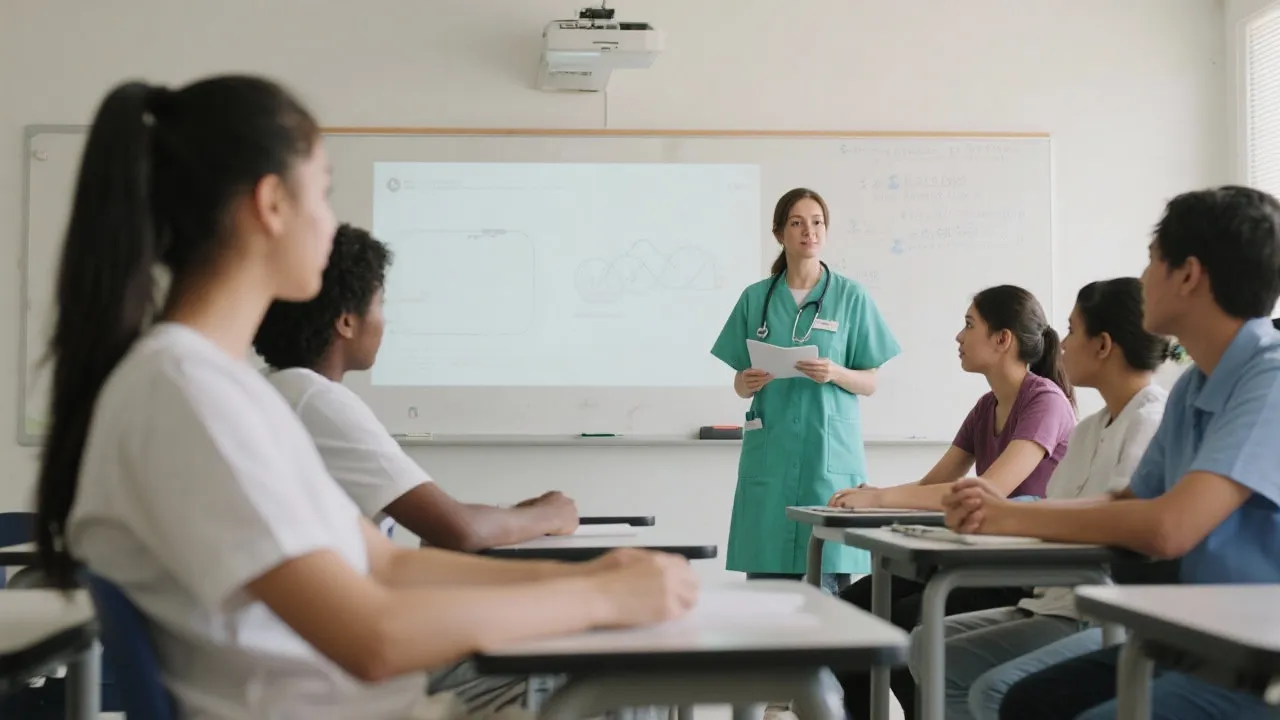
A Licensed Practical Nurse (LPN) course is an essential step for those pursuing a career in nursing, providing foundational skills and knowledge. This article delves into the details of LPN courses, exploring the curriculum, delivery methods, and what potential students can expect. Understanding the intricacies of such programs is crucial for aspiring nurses eager to enter the healthcare field with confidence and competence.
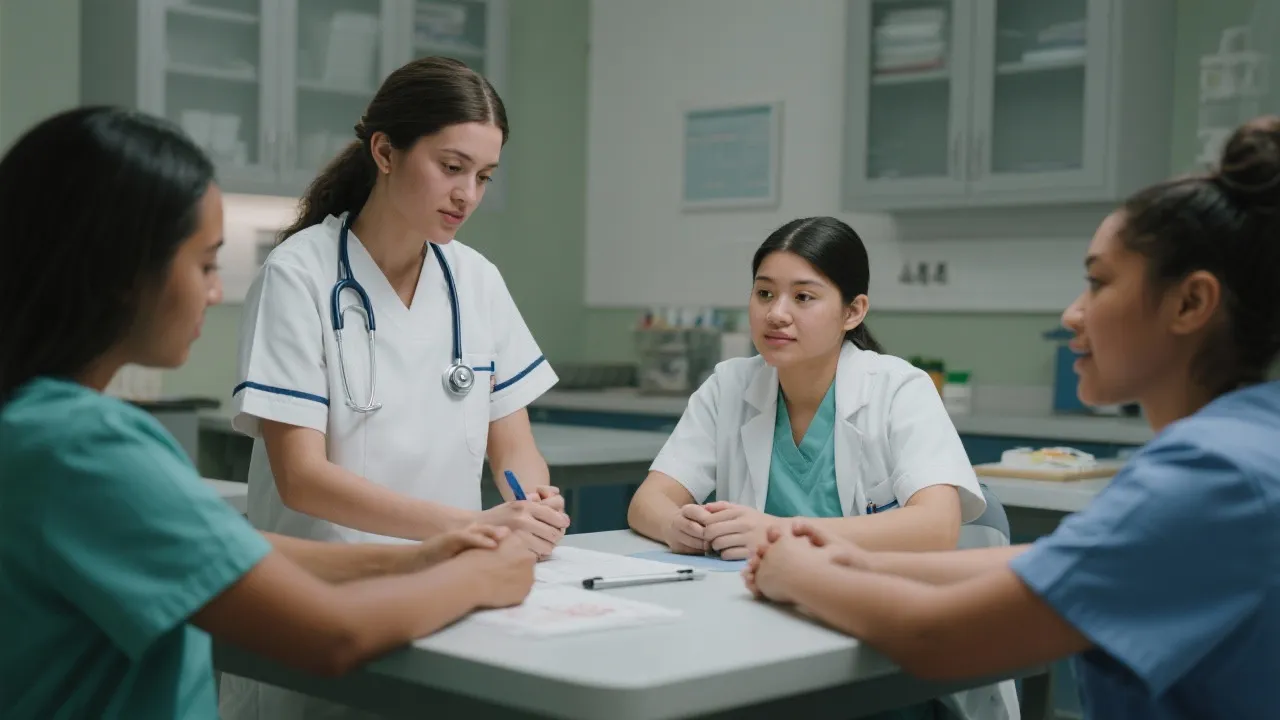
Licensed Practical Nurse (LPN) courses prepare students for entry-level nursing roles, focusing on essential patient care skills. The curriculum typically includes subjects like anatomy, physiology, pharmacology, and supervised clinical practice, vital for work in diverse healthcare settings. This guide explores the integral features of LPN courses and prospects post-graduation.

This article delves into the world of registered nurse courses, offering insights into the education and training paths for prospective nurses. Registered nurses (RNs) serve as vital members of the healthcare system, providing top-notch care and improving patient outcomes. This guide explores the essential components of RN courses, the prerequisites for enrollment, and the various career paths available post-graduation.
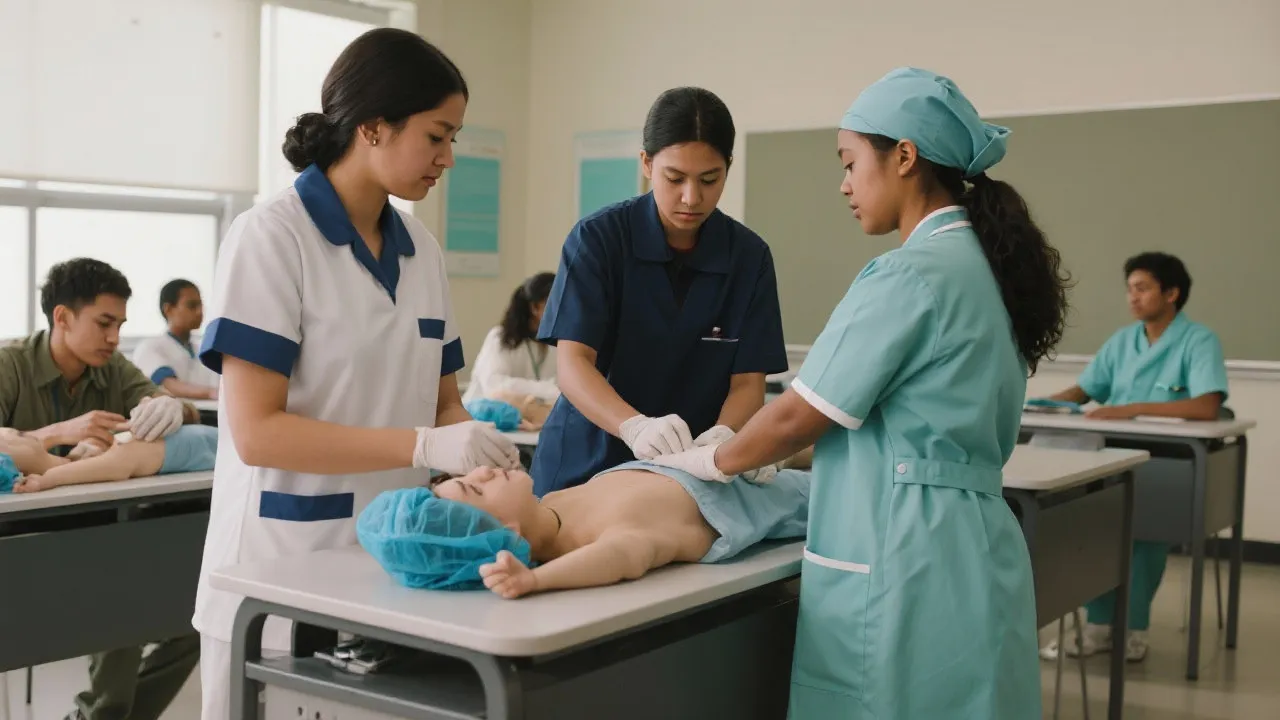
This article delves into the intricacies of enrolling in a Registered Nurse Course, exploring the qualifications needed to begin this pivotal healthcare journey. A Registered Nurse Course offers essential training for individuals aiming to join the nursing profession, combining academic education with practical experience. By understanding these course details, aspiring nurses can strategically prepare for their future roles in healthcare.
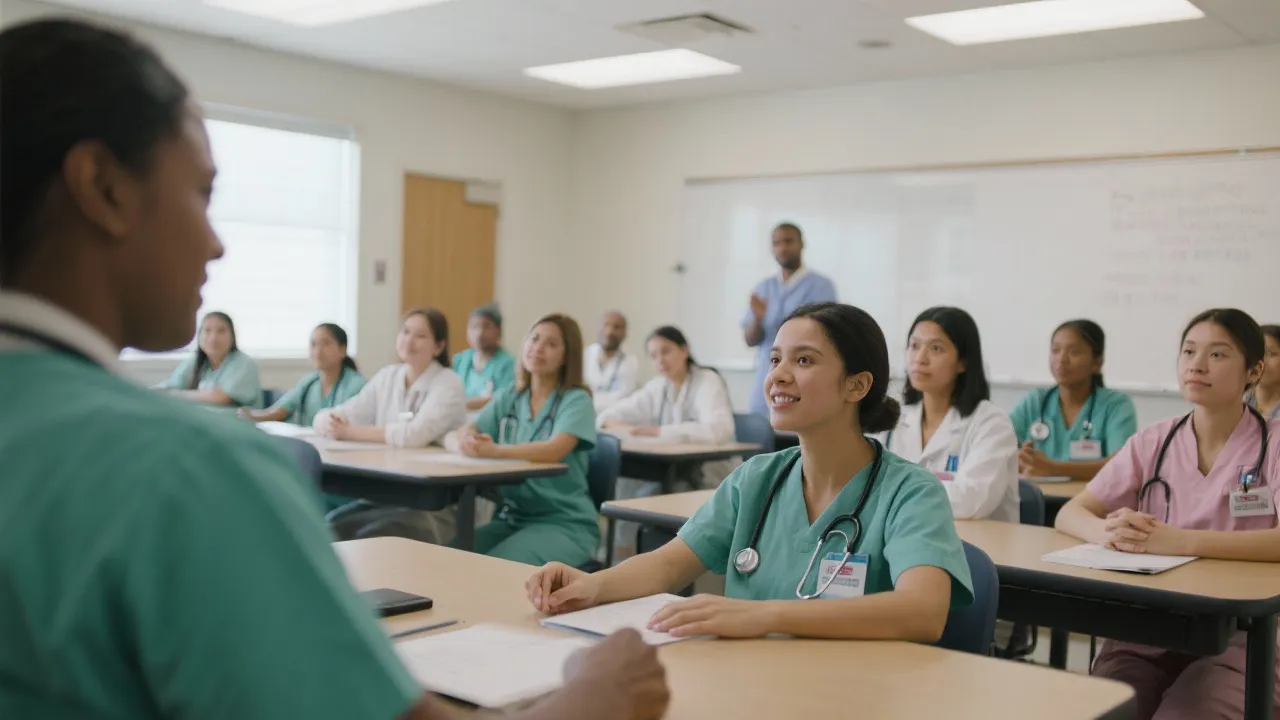
This guide delves into the essentials of a Registered Nurse Course, offering a comprehensive look at the educational path for aspiring nurses. It highlights the critical role these courses play in preparing students for their pivotal roles in healthcare through a blend of theoretical knowledge and practical training, ensuring readiness for the diverse challenges encountered in medical settings.

The Registered Nurse Course is a pivotal program for aspiring healthcare professionals, providing essential knowledge and practical skills for a successful career in nursing. This guide explores the intricacies of the course, offering insights into curriculum expectations, benefits, and future opportunities in the field. Understanding these elements is crucial for those seeking to advance in nursing.
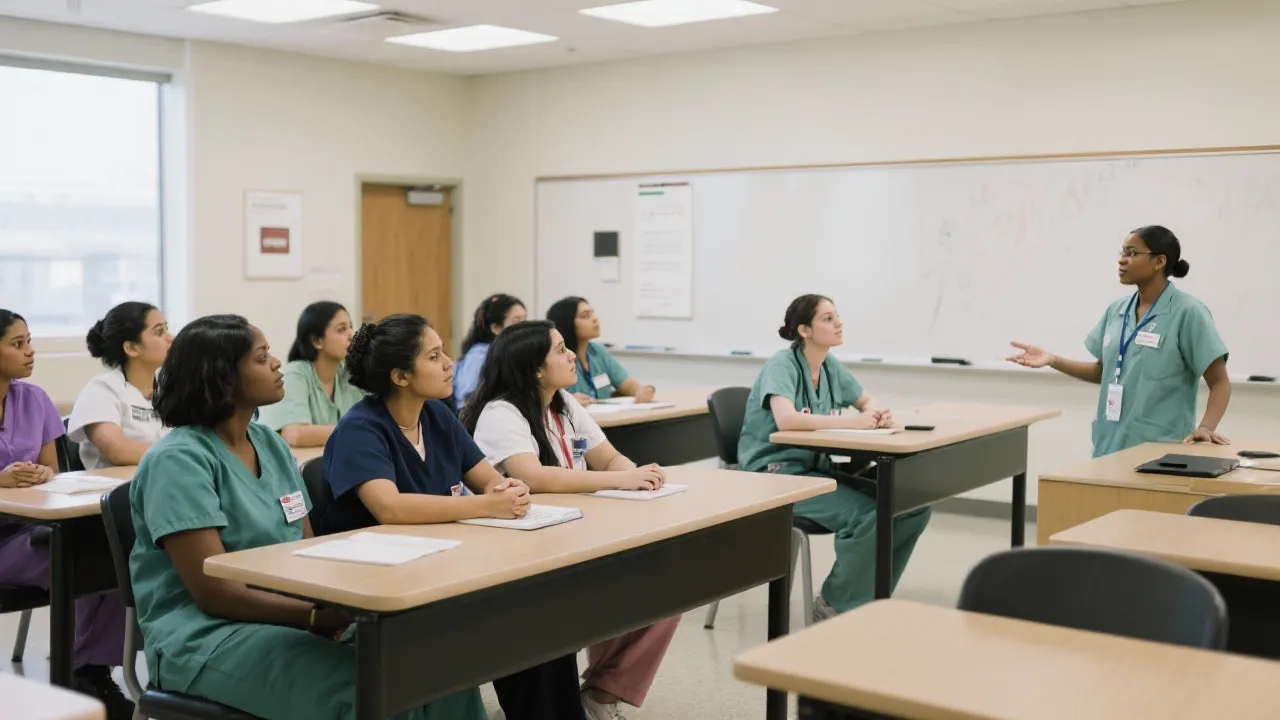
This guide provides an in-depth look into the Registered Nurse Course, exploring essential elements like curriculum structure, training requirements, and future career prospects. As a crucial component of healthcare education, becoming a Registered Nurse involves training across various medical practices, patient interactions, and procedures, ensuring preparedness for the healthcare field.

This guide delves into the intricacies of the Registered Nurse Course, a comprehensive program aimed at equipping students with the essential skills and knowledge required in the healthcare industry. The course plays a pivotal role in preparing individuals for the dynamic and ever-evolving field of nursing, integrating theoretical learning with practical experiences.