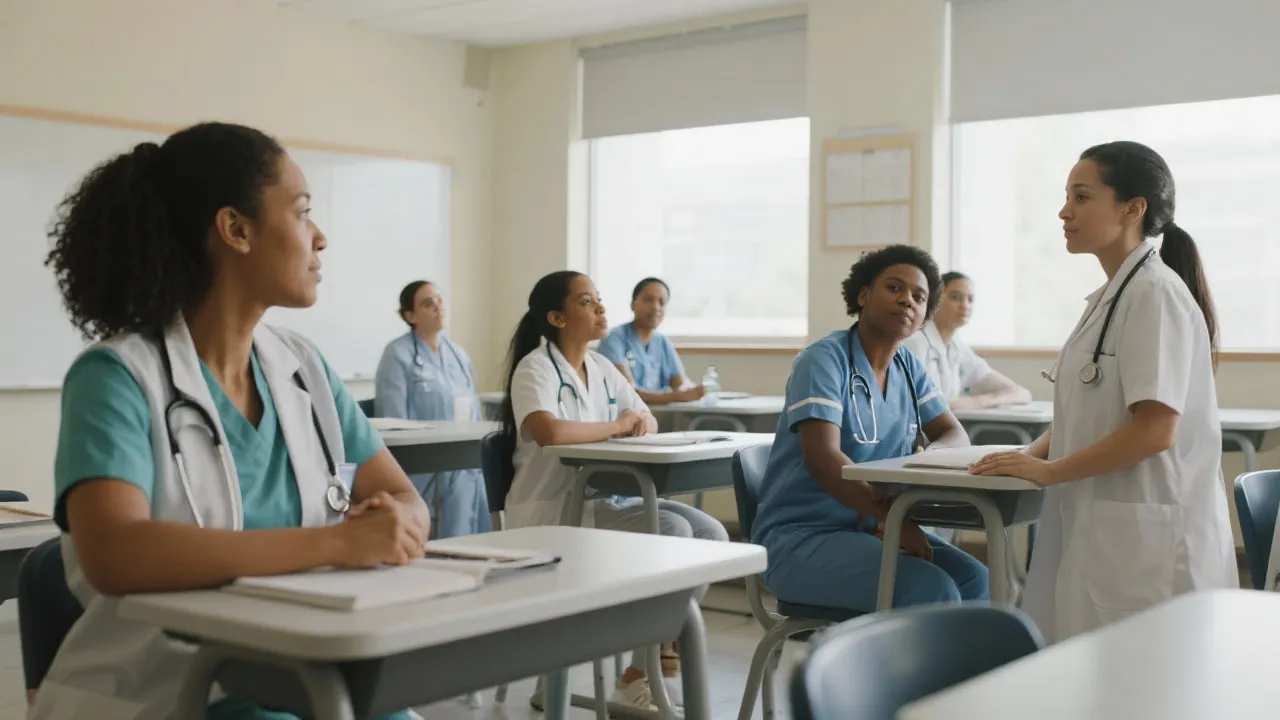
This guide delves into the crucial role of a clinical educator in healthcare settings. Clinical educators are essential in training healthcare professionals by combining practical expertise with instructional skills, ensuring that medical staff are competent and effective in patient care. The role involves developing curricula, assessing learners, and staying updated with medical advancements, bridging the gap between theory and practice.

The role of a clinical educator is one of immense importance in the healthcare industry. These professionals are responsible for ensuring that healthcare staff not only possess the requisite knowledge and skills but can also apply these effectively in real-life clinical settings. By integrating didactic learning with hands-on experience, clinical educators help shape competent, confident, and ethically responsible medical professionals.
This multifaceted role serves as the backbone of clinical training programs, fostering an environment where learning is paramount. Clinical educators provide the essential link between theoretical concepts taught in classrooms and the clinical practices that take place in healthcare settings. Their responsibilities extend beyond traditional teaching to embrace the complex dynamics of student engagement, curriculum effectiveness, and professional outcomes, ultimately impacting both learner development and patient care.
To excel as a clinical educator, one must possess a blend of attributes including strong clinical knowledge, educational skills, and communication proficiency. Typically, these professionals hold advanced degrees in their respective fields, such as a Master's or Doctorate in Nursing, Medicine, or a related health discipline. The evolving nature of healthcare necessitates that clinical educators also engage in ongoing professional development to stay informed about foundational knowledge and innovations in medical education.
Here's a breakdown of the necessary skills:
| Skill/Qualification | Description |
|---|---|
| Clinical Expertise | In-depth understanding of clinical practices and patient care, allowing educators to teach real-world applications of theoretical concepts. |
| Instructional Design | Ability to design effective educational programs and materials tailored to diverse learning styles and ensure curriculum relevance. |
| Communication Skills | Proficient in conveying complex information clearly, effectively, and engagingly, facilitating better understanding and retention among learners. |
| Leadership | Capability to guide and motivate learners and staff, encouraging collaboration, ethical practice, and a positive learning environment. |
| Critical Thinking | Ability to evaluate situations, make informed decisions, and adapt teaching methods based on learner needs and clinical circumstances. |
| Technological Proficiency | Familiarity with various educational technologies and healthcare software, essential for modern teaching methods and effective clinical practice. |
| Patient-Centered Focus | Emphasizing the importance of compassionate care, ensuring learners understand patient needs and the role of communication in achieving positive health outcomes. |
As healthcare advances at a rapid pace, the role of clinical educators is continually being redefined. The integration of technology into medical education brings both challenges and opportunities. With the increasing use of simulation-based training, online learning platforms, and virtual reality, clinical educators must adapt to new teaching modalities and ensure that they uphold educational integrity in these innovative environments.
For instance, simulation training allows learners to practice clinical scenarios in a controlled environment, which can significantly enhance their critical thinking skills and clinical judgment without jeopardizing patient safety. Clinical educators are instrumental in developing simulation cases that reflect real-life challenges, ensuring that learners are well-equipped to face these situations in practice. This not only assists in skill acquisition but also builds learners' confidence in their abilities.
Moreover, e-learning has gained substantial traction, particularly following the COVID-19 pandemic. Digital platforms provide flexibility and accessibility, enabling educators to reach a broader audience. Yet, navigating the effectiveness of online learning versus traditional face-to-face instruction becomes a pivotal focus for clinical educators, who must now design hybrid learning experiences that engage digital learners effectively.
Clinical educators are instrumental in influencing the future of healthcare through quality education and training. Their role ensures that upcoming healthcare workers are well-prepared to tackle the challenges of patient care, equipped with both theoretical knowledge and practical experience. This impact is best illustrated through the improved quality of healthcare delivery across various settings: from hospitals to community health organizations.
Their influence can be measured in several key areas:
As the healthcare field continues to evolve, educators shape an adaptable workforce ready to respond to emerging healthcare challenges. They foster a culture of continuous improvement, where both education and patient care are seen as dynamic processes that require ongoing assessment and iteration for success.
Clinical educators often collaborate with a variety of stakeholders within the healthcare system. This collaboration is vital to cultivating an effective learning environment that benefits both students and the institutions they serve. Key partnerships often include:
The future of healthcare education leans heavily on the effectiveness of clinical educators. As they face ongoing challenges brought forth by changes in healthcare policy, technology, and patient demographics, their ability to adapt and innovate will determine the effectiveness of future training programs. Some emerging trends that clinical educators will need to incorporate include:
By preparing future clinicians with these competencies, clinical educators will continue to play a critical role in shaping a healthcare workforce that is not only skilled but also equipped to address the challenges of tomorrow.
In summary, the role of a clinical educator is both challenging and rewarding, requiring a balanced mix of clinical expertise and educational acumen. As the healthcare setting continues to evolve, the necessity for adaptive and forward-thinking educators remains crucial in preparing future healthcare leaders. Their commitment to excellence in education not only shapes practitioners but also significantly enhances the quality of healthcare delivery, promoting patient safety and improved health outcomes for diverse populations.
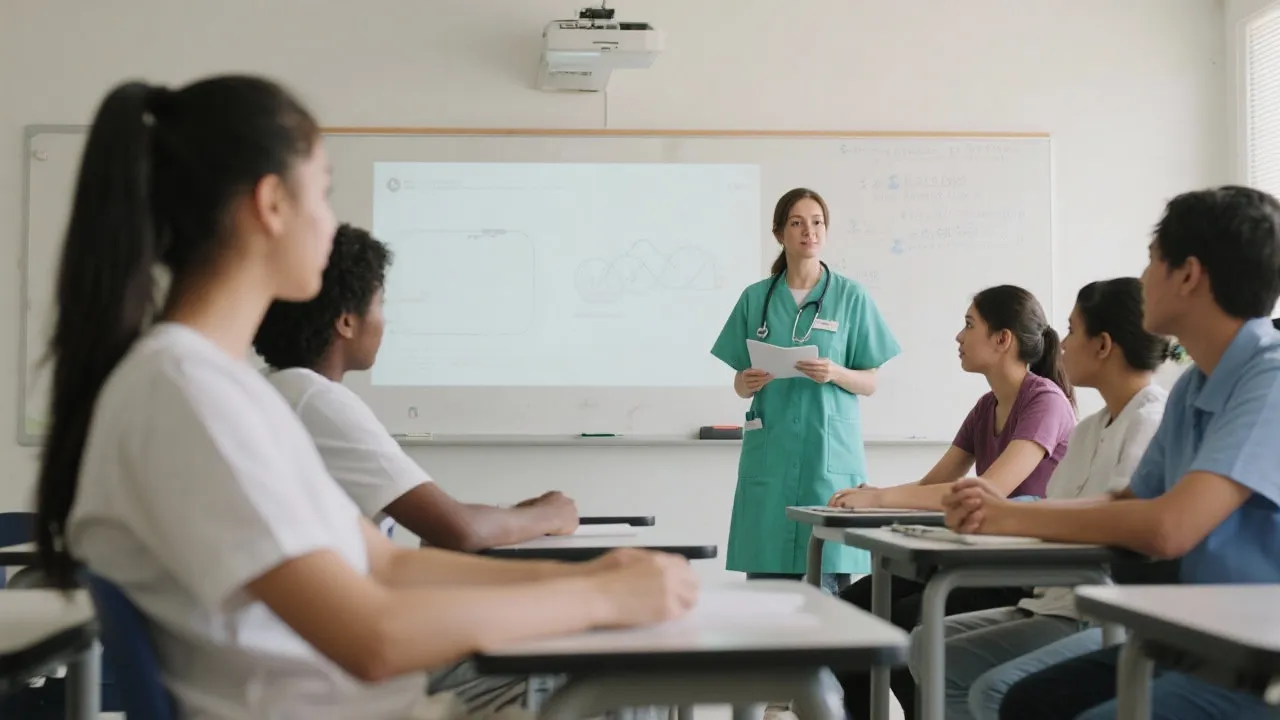
A Licensed Practical Nurse (LPN) course is an essential step for those pursuing a career in nursing, providing foundational skills and knowledge. This article delves into the details of LPN courses, exploring the curriculum, delivery methods, and what potential students can expect. Understanding the intricacies of such programs is crucial for aspiring nurses eager to enter the healthcare field with confidence and competence.
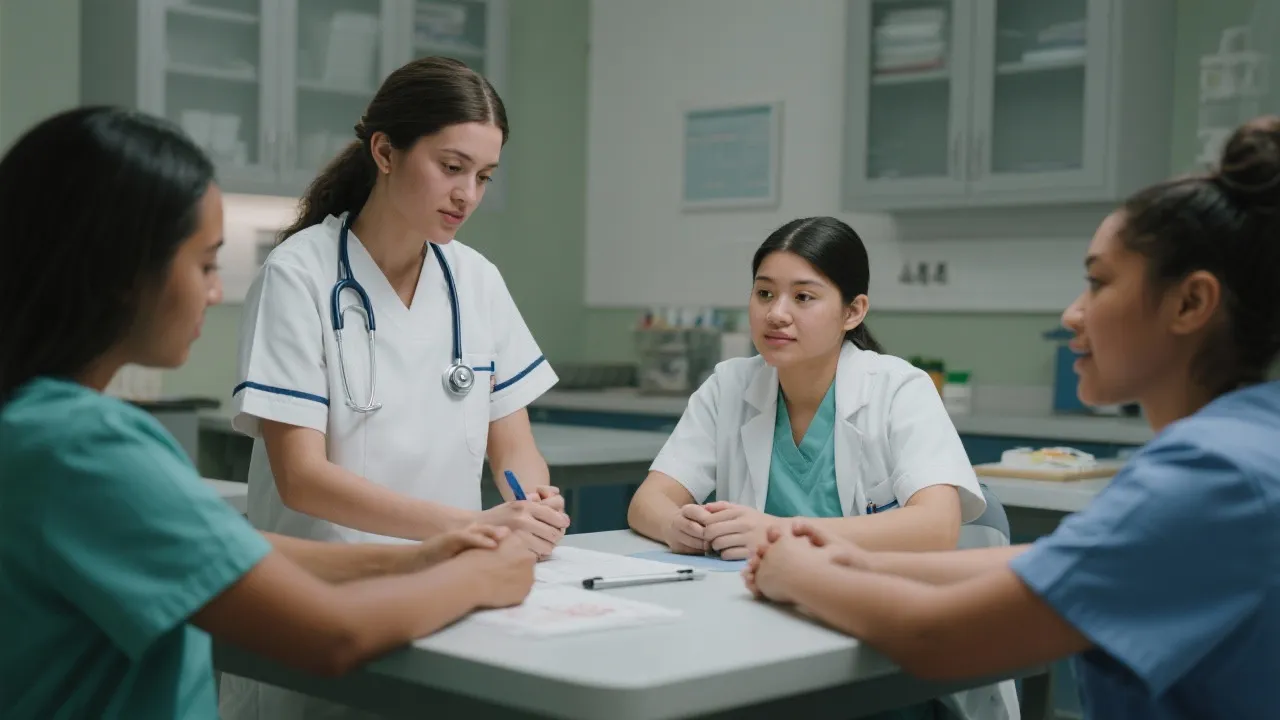
Licensed Practical Nurse (LPN) courses prepare students for entry-level nursing roles, focusing on essential patient care skills. The curriculum typically includes subjects like anatomy, physiology, pharmacology, and supervised clinical practice, vital for work in diverse healthcare settings. This guide explores the integral features of LPN courses and prospects post-graduation.

This article delves into the world of registered nurse courses, offering insights into the education and training paths for prospective nurses. Registered nurses (RNs) serve as vital members of the healthcare system, providing top-notch care and improving patient outcomes. This guide explores the essential components of RN courses, the prerequisites for enrollment, and the various career paths available post-graduation.
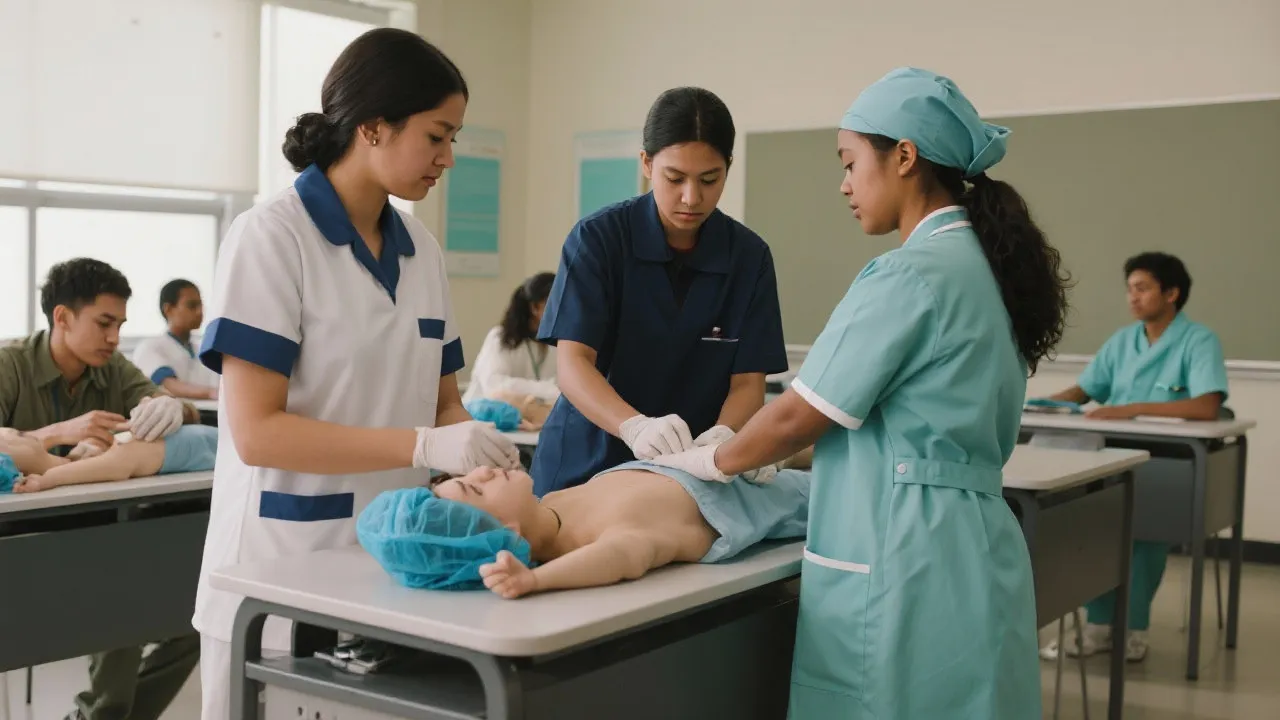
This article delves into the intricacies of enrolling in a Registered Nurse Course, exploring the qualifications needed to begin this pivotal healthcare journey. A Registered Nurse Course offers essential training for individuals aiming to join the nursing profession, combining academic education with practical experience. By understanding these course details, aspiring nurses can strategically prepare for their future roles in healthcare.
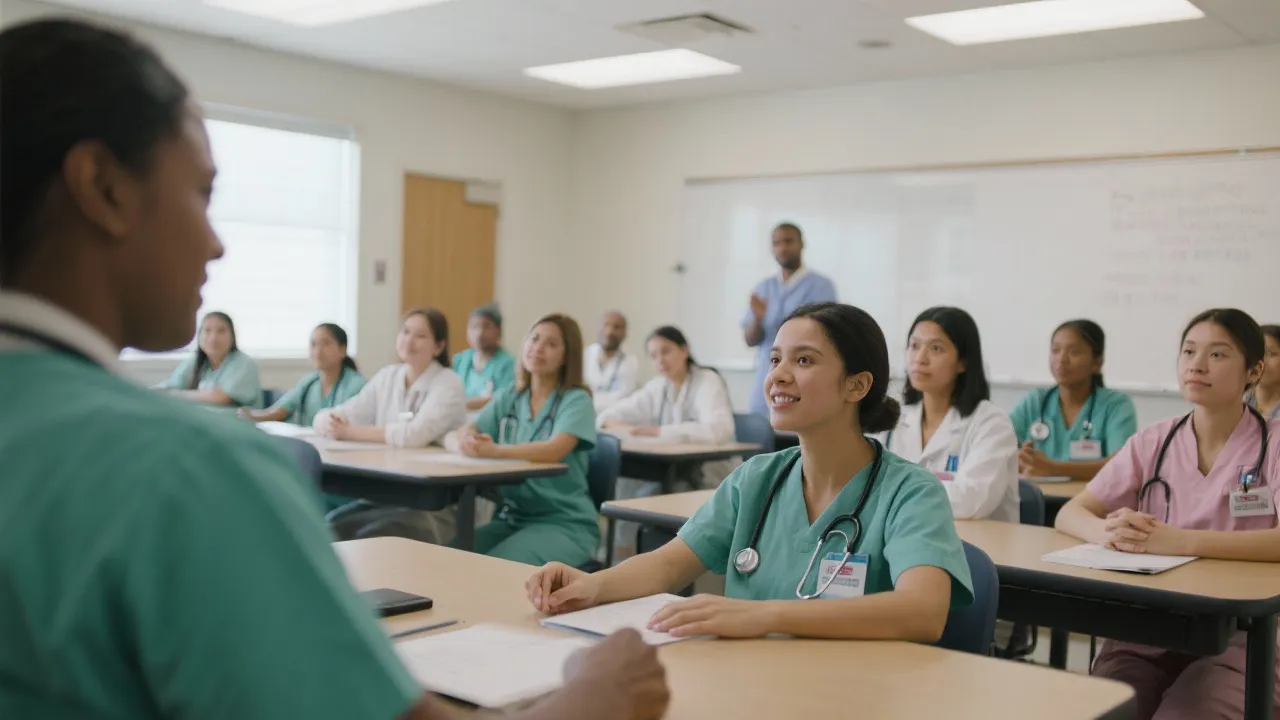
This guide delves into the essentials of a Registered Nurse Course, offering a comprehensive look at the educational path for aspiring nurses. It highlights the critical role these courses play in preparing students for their pivotal roles in healthcare through a blend of theoretical knowledge and practical training, ensuring readiness for the diverse challenges encountered in medical settings.

The Registered Nurse Course is a pivotal program for aspiring healthcare professionals, providing essential knowledge and practical skills for a successful career in nursing. This guide explores the intricacies of the course, offering insights into curriculum expectations, benefits, and future opportunities in the field. Understanding these elements is crucial for those seeking to advance in nursing.
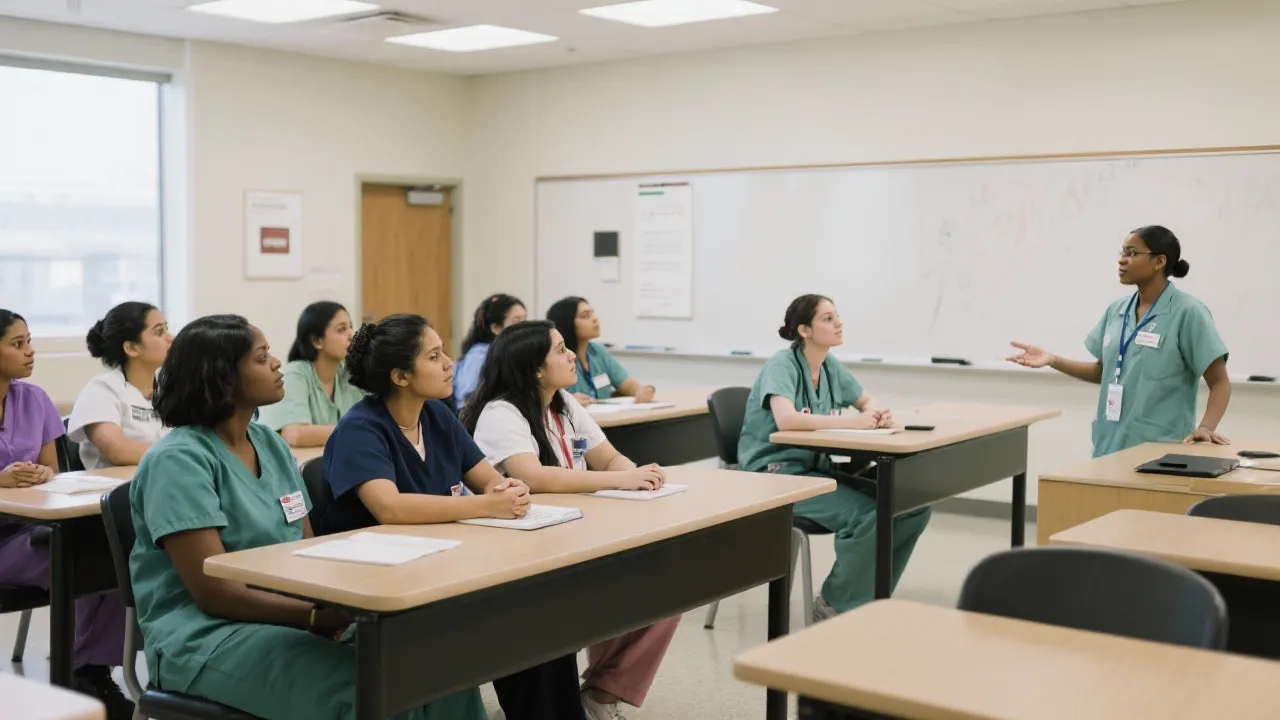
This guide provides an in-depth look into the Registered Nurse Course, exploring essential elements like curriculum structure, training requirements, and future career prospects. As a crucial component of healthcare education, becoming a Registered Nurse involves training across various medical practices, patient interactions, and procedures, ensuring preparedness for the healthcare field.

This guide delves into the intricacies of the Registered Nurse Course, a comprehensive program aimed at equipping students with the essential skills and knowledge required in the healthcare industry. The course plays a pivotal role in preparing individuals for the dynamic and ever-evolving field of nursing, integrating theoretical learning with practical experiences.