This guide explores the Registered Nurse course, an integral step for aspiring nurses. The course provides comprehensive training in patient care, medical ethics, and healthcare technology. It prepares students with the necessary skills and knowledge to meet the demands of the nursing profession. By delving into the curriculum, structure, and career prospects, the guide aims to offer an in-depth understanding of this pivotal educational journey.

The Registered Nurse (RN) course represents a fundamental component of healthcare education, equipping students with the essential skills and knowledge necessary for a successful career in nursing. With the exponential growth in healthcare demand, particularly due to an aging population and an increasing focus on chronic disease management, the role of registered nurses has never been more crucial. This course is tailored to nurture the expertise needed to excel in various nursing environments, from hospitals to community centers, and even in telehealth settings, which have gained prominence in recent years.
The Registered Nurse course typically spans two to four years, depending on the institution and specific program requirements. It encompasses a blend of theoretical learning and practical experience, aimed at providing students with a well-rounded education that prepares them for the multifaceted demands of the nursing profession. The curriculum is designed to cover a comprehensive range of topics necessary for effective nursing practice, blending foundational knowledge with cutting-edge health innovations.
The Registered Nurse course is structured to gradually advance the student's expertise through a systematic and progressive learning approach. Here’s a typical progression through the program:
| Year | Description |
|---|---|
| Year 1 | Introductory courses in nursing theory, basic anatomy, and fundamental patient-care skills are essential for establishing a comprehensive understanding of nursing practices. Students also learn basic communication techniques and develop skills in patient assessment, which are foundational to their future interactions with patients. |
| Year 2 | Advanced sciences and initial clinical placements provide practical patient-care experience. Courses often include pharmacology, microbiology, and nutrition in this year, prepping students for more intensive clinical practice and the complexities of patient treatment protocols. |
| Year 3 | This year features an in-depth focus on specialized areas such as pediatric, geriatric, and mental health care, alongside more complex clinical rotations. Understanding the unique needs of different populations is crucial during this stage, as is developing a holistic approach to patient care. |
| Year 4 | Completion of capstone projects and leadership modules prepares students for advanced roles in nursing management. This final year often involves collaborating on group projects, conducting research, and presenting findings in a professional manner, all of which are essential skills in the nursing field. |
One of the defining features of the Registered Nurse course is its commitment to clinical experience. Students typically engage in clinical placements that are strategically integrated throughout the curriculum, allowing for a gradual buildup of skills and competencies. During these placements, students not only apply their learned theories but also acquire new skills under the supervision of experienced nursing staff.
Clinical placements often occur in various settings, including:
Upon course completion, graduates are eligible to sit for the NCLEX-RN, the standardized exam required to practice as a registered nurse. After passing this examination, a variety of career paths become available, including but not limited to:
The nursing field is continuously evolving. After obtaining their RN license, many nurses choose to continue their education, advancing to roles that require a Bachelor’s, Master’s, or even Doctorate level education. Pursuing further education can lead to specialties such as:
Nursing is a diverse field that offers many specialized areas, enabling professionals to focus on specific interests and skills. Here are some of the more prominent nursing specialties:
A significant aspect of nursing education is understanding the ethical and legal implications involved in patient care. Ethical dilemmas are commonplace in nursing, and it is crucial for nurses to have the knowledge and tools to navigate these situations effectively. Key topics include:
The path to becoming a registered nurse can be challenging due to various factors. Here are some common challenges faced by nursing students:
Mental health for nurses is increasingly recognized as a critical factor influencing job performance and overall career satisfaction. The pressure to deliver quality patient care, often in high-stress environments, can lead to burnout and emotional fatigue among nursing professionals. Here are some aspects to consider:

A Licensed Practical Nurse (LPN) course is an essential step for those pursuing a career in nursing, providing foundational skills and knowledge. This article delves into the details of LPN courses, exploring the curriculum, delivery methods, and what potential students can expect. Understanding the intricacies of such programs is crucial for aspiring nurses eager to enter the healthcare field with confidence and competence.
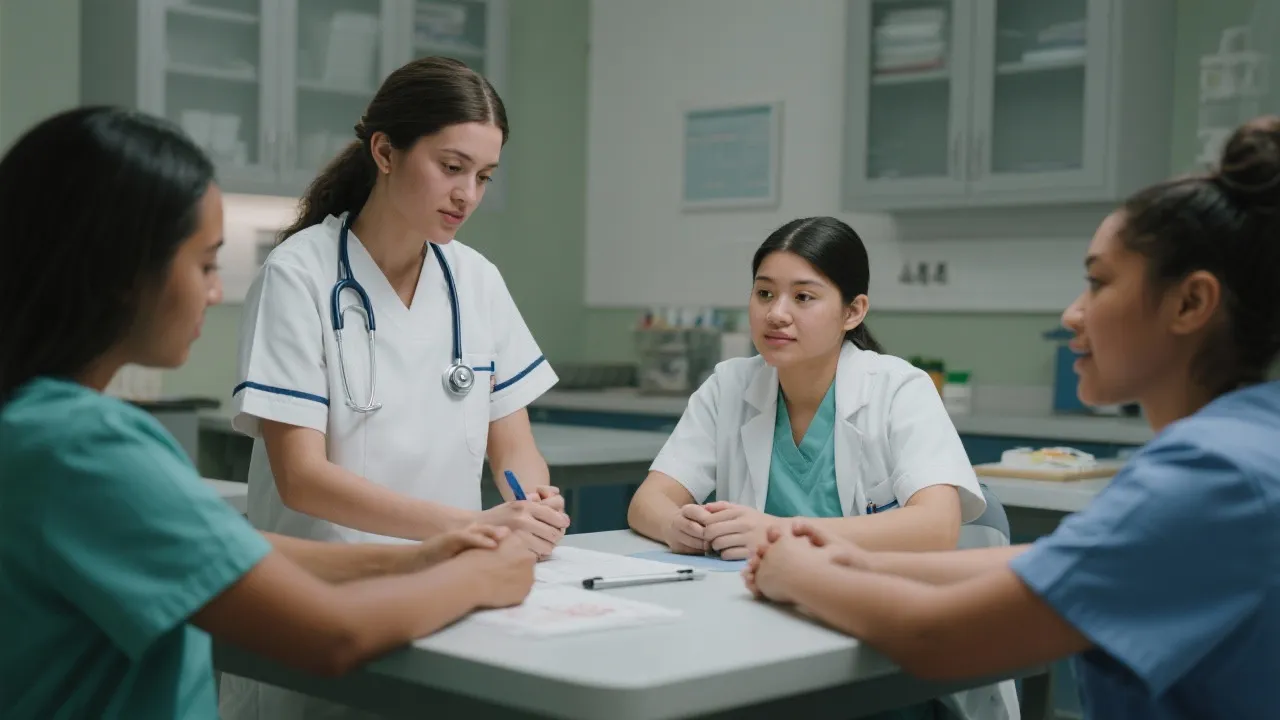
Licensed Practical Nurse (LPN) courses prepare students for entry-level nursing roles, focusing on essential patient care skills. The curriculum typically includes subjects like anatomy, physiology, pharmacology, and supervised clinical practice, vital for work in diverse healthcare settings. This guide explores the integral features of LPN courses and prospects post-graduation.

This article delves into the world of registered nurse courses, offering insights into the education and training paths for prospective nurses. Registered nurses (RNs) serve as vital members of the healthcare system, providing top-notch care and improving patient outcomes. This guide explores the essential components of RN courses, the prerequisites for enrollment, and the various career paths available post-graduation.
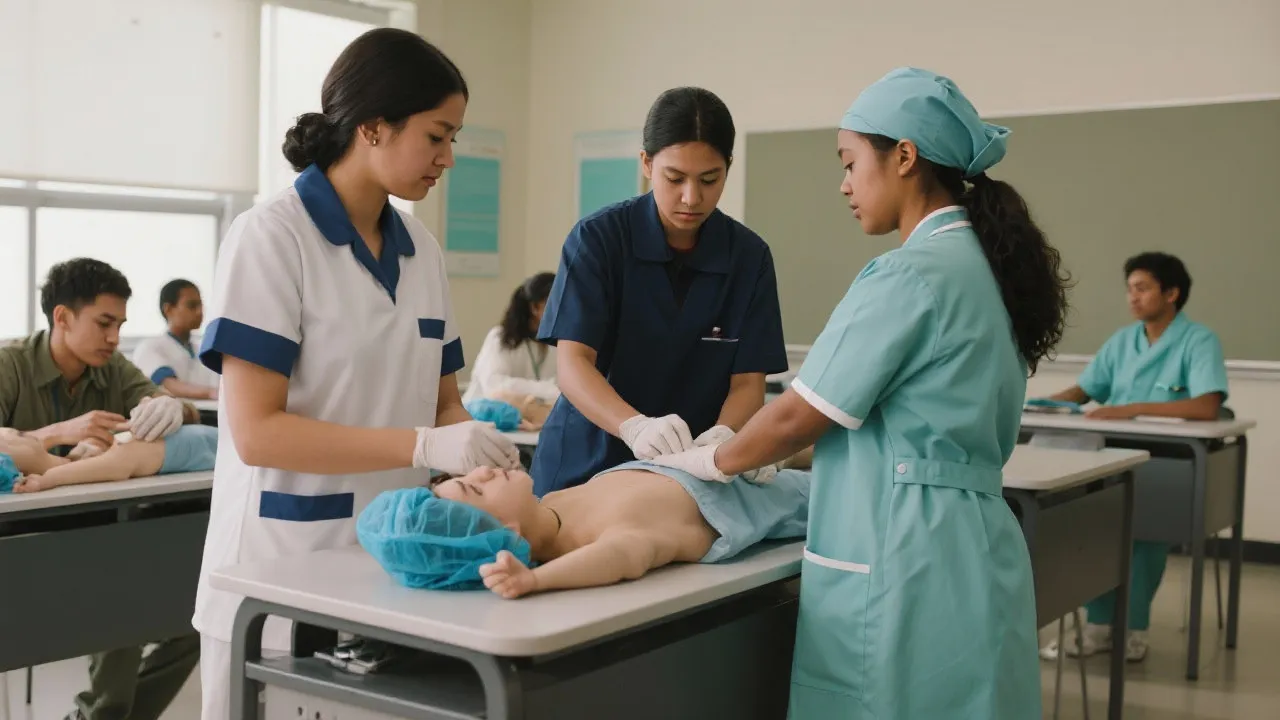
This article delves into the intricacies of enrolling in a Registered Nurse Course, exploring the qualifications needed to begin this pivotal healthcare journey. A Registered Nurse Course offers essential training for individuals aiming to join the nursing profession, combining academic education with practical experience. By understanding these course details, aspiring nurses can strategically prepare for their future roles in healthcare.
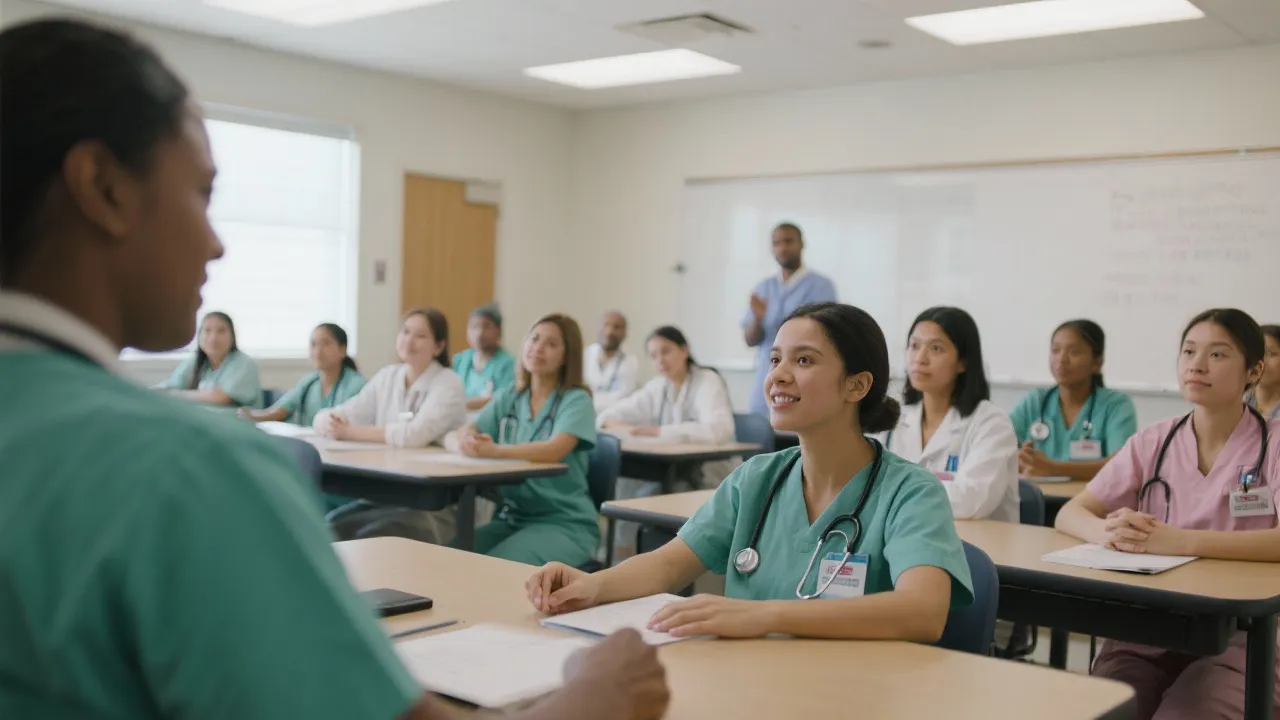
This guide delves into the essentials of a Registered Nurse Course, offering a comprehensive look at the educational path for aspiring nurses. It highlights the critical role these courses play in preparing students for their pivotal roles in healthcare through a blend of theoretical knowledge and practical training, ensuring readiness for the diverse challenges encountered in medical settings.

The Registered Nurse Course is a pivotal program for aspiring healthcare professionals, providing essential knowledge and practical skills for a successful career in nursing. This guide explores the intricacies of the course, offering insights into curriculum expectations, benefits, and future opportunities in the field. Understanding these elements is crucial for those seeking to advance in nursing.
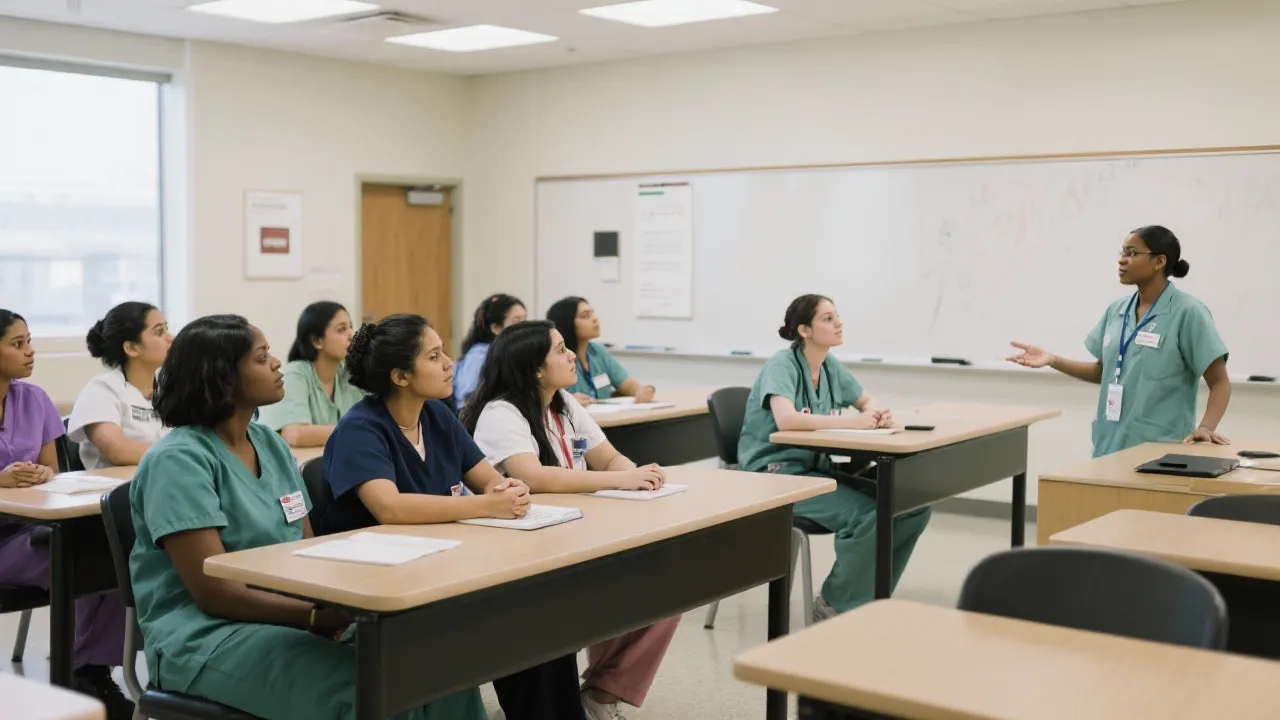
This guide provides an in-depth look into the Registered Nurse Course, exploring essential elements like curriculum structure, training requirements, and future career prospects. As a crucial component of healthcare education, becoming a Registered Nurse involves training across various medical practices, patient interactions, and procedures, ensuring preparedness for the healthcare field.

This guide delves into the intricacies of the Registered Nurse Course, a comprehensive program aimed at equipping students with the essential skills and knowledge required in the healthcare industry. The course plays a pivotal role in preparing individuals for the dynamic and ever-evolving field of nursing, integrating theoretical learning with practical experiences.