Licensed Practical Nurses (LPNs) are integral members of the healthcare team, providing essential patient care under the supervision of registered nurses and doctors. This article delves into the responsibilities, skills, and career opportunities for LPN nurses, highlighting their importance in the medical field and various healthcare settings.
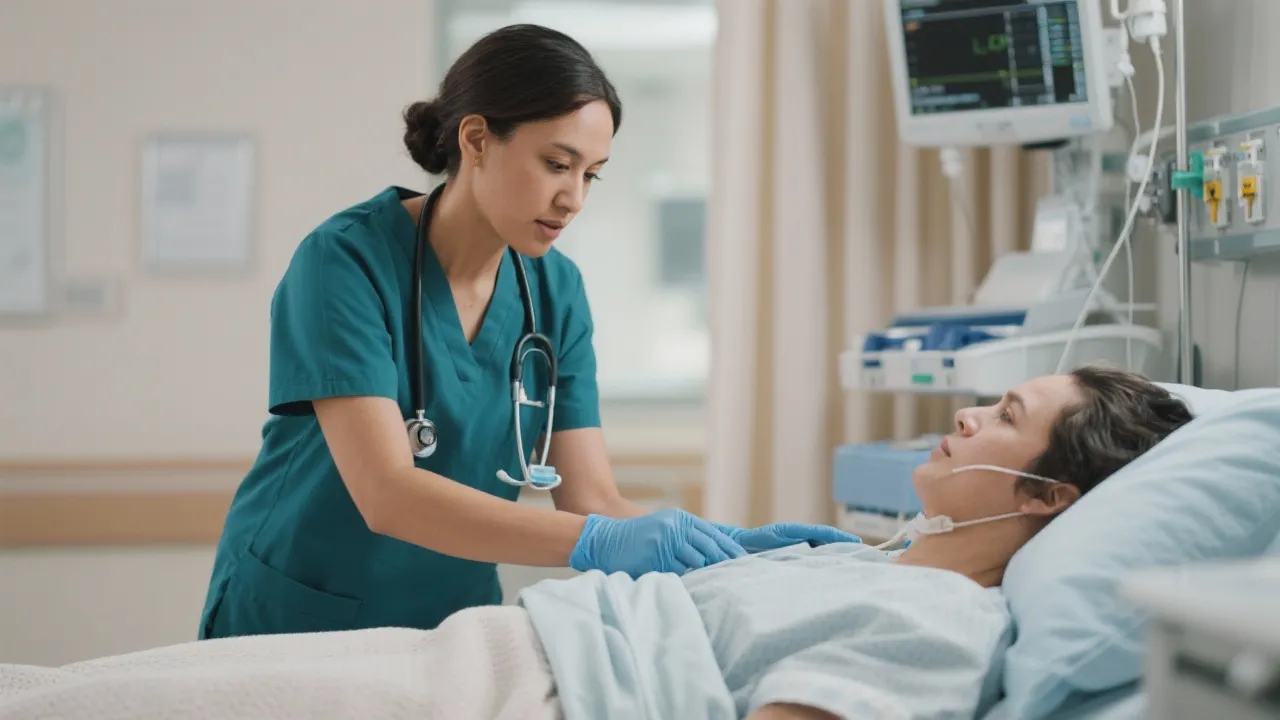
The healthcare industry is a complex and dynamic sector that requires dedicated professionals to ensure patients receive optimal care. Among these healthcare providers is the Licensed Practical Nurse (LPN), whose role is crucial in delivering hands-on patient care. An LPN nurse works closely with registered nurses (RNs) and physicians, providing basic nursing care, monitoring patient health, and assisting in patient comfort and education. Beyond the essential tasks performed daily, LPNs also play a pivotal role in enhancing the patient experience and fostering a comforting environment that reduces anxiety and promotes healing.
As an LPN nurse, one is often tasked with a variety of responsibilities that are critical to patient well-being. These tasks include monitoring vital signs, administering medications, and assisting patients with daily activities. The role of an LPN extends beyond mere clinical skills; it encompasses patient interactions that can significantly impact patient satisfaction and outcomes. LPNs often serve as the eyes and ears of the healthcare team, as they spend significant time with patients and can quickly identify any changes in condition that may require attention. This consistent presence in patient care helps build trust and rapport, allowing LPNs to notice subtle changes in demeanor, pain levels, or overall comfort that may go unnoticed by others who spend less time on direct patient care.
Each day can bring a variety of responsibilities for an LPN, making the role both dynamic and fulfilling. Daily duties might include:
To become an LPN, individuals must complete a practical nursing program, typically lasting about one year, which combines classroom instruction with clinical experience. Upon completion, aspiring LPNs must pass the National Council Licensure Examination for Practical Nurses (NCLEX-PN) to obtain licensure. Practical nursing programs cover a wide range of topics, including anatomy, pharmacology, nursing fundamentals, and patient care techniques. Clinical rotations in healthcare facilities provide hands-on experience, allowing students to apply classroom knowledge in real-world settings.
Continuing education is vital for LPNs who wish to remain competitive and informed about the latest developments in healthcare. Various organizations offer certification programs in specialized areas, such as IV therapy, gerontology, and pediatrics, which can enhance an LPN's skills and job prospects. Additionally, attending workshops, seminars, and conferences can provide LPNs with updates on best practices and advancements in nursing care.
The demand for LPN nurses continues to grow as the healthcare industry expands to meet the needs of an aging population. LPNs can find employment in various settings, including hospitals, nursing homes, clinics, and home healthcare services. With experience, many LPNs pursue further education to become RNs or specialize in areas such as pediatrics, geriatrics, or mental health. This progression often involves bridging programs that recognize the competencies developed during practical nursing education and allow for additional learning specifically tailored to Registered Nurses’ broader scope of practice.
LPNs can work in diverse healthcare environments, each offering unique opportunities and challenges:
| Aspect | LPN Nurse | Registered Nurse (RN) |
|---|---|---|
| Education | Typically 1 year diploma/certificate program | Associate or Bachelor's degree (2-4 years) |
| Responsibilities | Basic patient care, assisting RNs and doctors | Comprehensive patient care, with more autonomy and responsibilities, including critical thinking and decision-making |
| Work Settings | Nursing homes, hospitals, clinics | Hospitals, specialized departments, community health, education, management roles |
| Professional Growth Opportunities | Can advance to RN or specialize through further training | Options for specialization, leadership roles, and advanced degrees (MSN, DNP, etc.) |
| Scope of Practice | Limited to basic patient care and under the supervision of RNs or doctors | Larger scope that includes assessment, diagnosis, and developing patient care plans |
For those pursuing a career as an LPN or those already in practice, numerous resources and support systems are available. Professional organizations offer numerous benefits, including networking opportunities, continuing education, and access to research publications:
While the job of an LPN offers many rewards, it also comes with several challenges that practitioners must navigate. Understanding these challenges can help both new and experienced LPNs engage with their roles effectively. Some common issues include:
The role of an LPN nurse is both challenging and rewarding, providing an essential function in the healthcare delivery system. With opportunities for growth and a range of employment settings, LPNs are vital in ensuring patients receive quality care and attention. The profession is suited for compassionate individuals who enjoy working with people and contributing positively to their health and well-being. As the healthcare landscape continues to evolve, the demand for skilled LPNs is expected to remain strong, making it a viable and fulfilling career choice for those interested in the nursing field. Through their dedication and skill, LPNs significantly influence the lives of patients, helping them navigate their healthcare journeys with dignity and support.

Licensed Practical Nurses (LPNs) are critical to the healthcare system, providing essential care to patients under the supervision of registered nurses and doctors. They perform various tasks, including monitoring vital signs, administering medication, and assisting with daily activities, making them indispensable in ensuring patient well-being and support.

This guide delves into the pivotal role of LPN nurses in healthcare. Licensed Practical Nurses (LPNs) are vital members of the medical team, offering critical care under the supervision of registered nurses and doctors. They engage in patient monitoring, basic care, and support, fostering a supportive environment in diverse healthcare settings such as hospitals, clinics, and good care facilities.
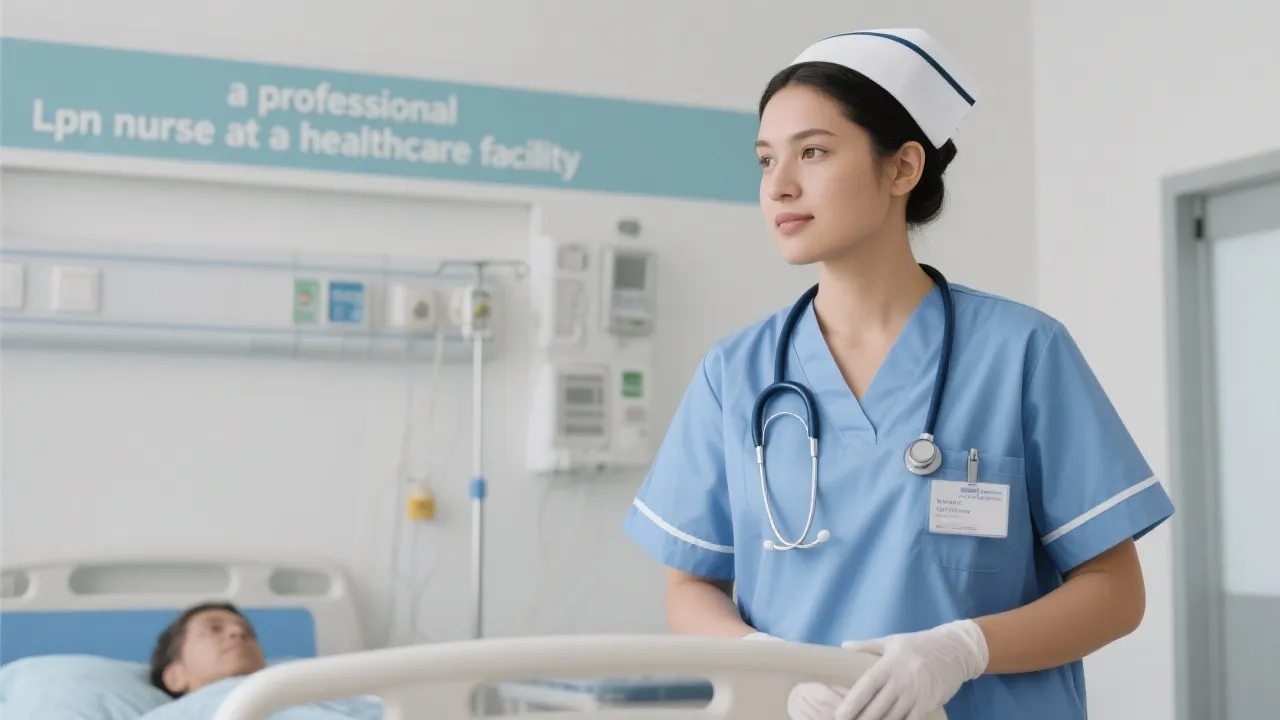
This article delves into the expansive role of an Lpn Nurse, exploring their critical functions within healthcare. Lpn Nurses, or Licensed Practical Nurses, play a pivotal role in patient care, working under RNs and doctors. They provide essential care, coordinate patient needs, and contribute to the healthcare system's seamless operations.
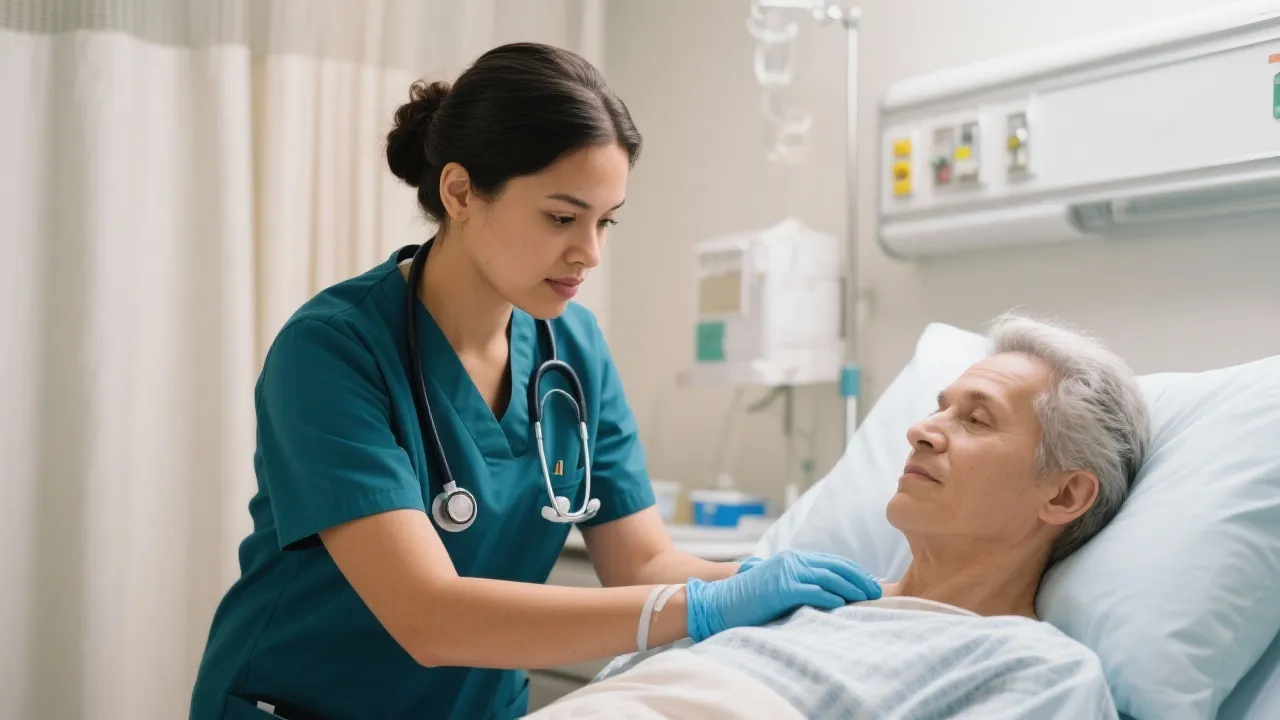
This comprehensive guide delves into the multifaceted role of an LPN nurse, highlighting their indispensable contributions to healthcare. Licensed Practical Nurses (LPNs) serve as vital cogs in the medical field, bridging the gap between registered nurses and nursing assistants. They handle a wide range of responsibilities, from providing basic medical care to managing patient records, ensuring efficient and compassionate treatment delivery.

Licensed Practical Nurses (LPNs) play a crucial role in the healthcare system, providing basic patient care under the supervision of Registered Nurses (RNs) and doctors. They work in a variety of settings, including hospitals, nursing homes, and home health care. This article delves into the responsibilities, educational requirements, and career opportunities associated with being an LPN, offering a detailed examination from an industry scholar's perspective.

Nurse educators are pivotal in shaping future nursing professionals by combining clinical expertise with educational practices. Their impact extends from curriculum development to mentoring, ensuring that nursing graduates are well-equipped to meet healthcare challenges. This analysis explores the multifaceted role of nurse educators, focusing on their contributions to the healthcare system and educational institutions.
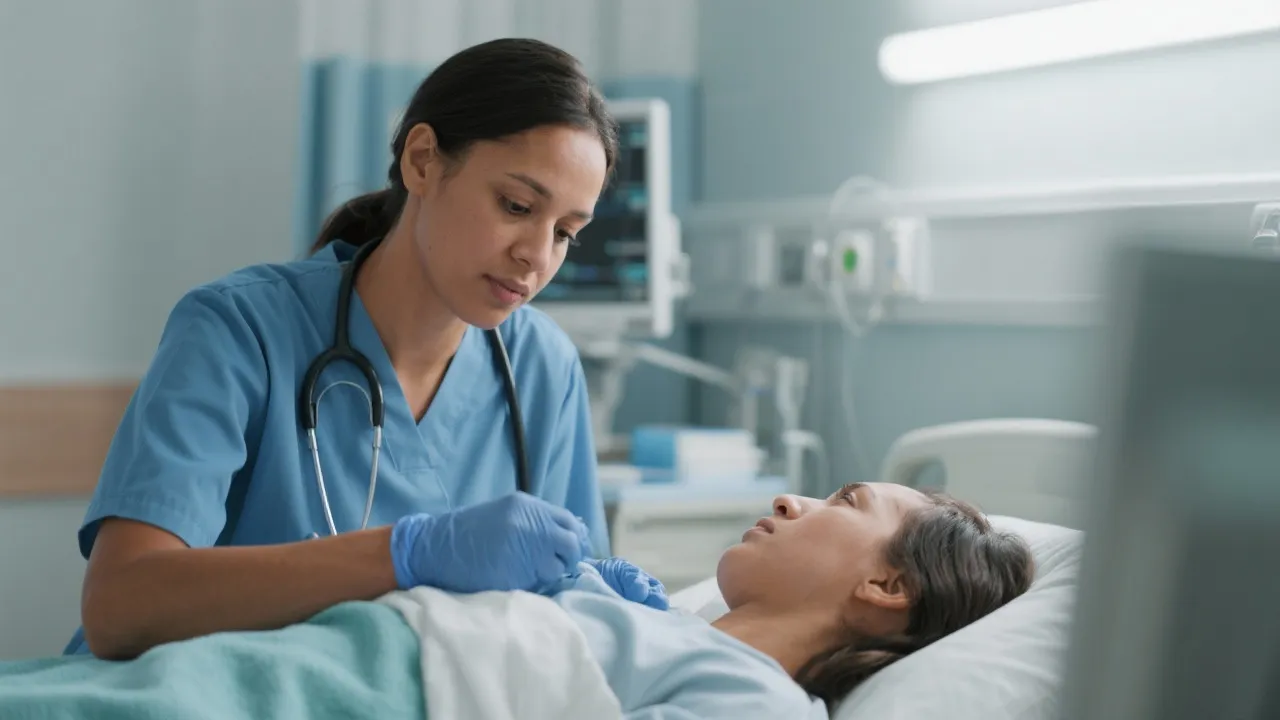
This article delves into the essential role of an Lpn Nurse within the healthcare system, highlighting their responsibilities, training requirements, and significance in patient care. Licensed Practical Nurses (LPNs) form a crucial link between patients and the healthcare teams, operating under the supervision of Registered Nurses (RNs) or physicians, and providing direct and compassionate care to patients.

A Nurse Educator plays a critical role in healthcare by blending academic expertise with clinical practice to train the next generation of nurses. Nurse Educators are responsible for the development, implementation, and evaluation of educational programs designed to prepare competent nursing professionals. This article explores the significance of their work, examining various aspects from educational frameworks to practical roles in healthcare settings.